
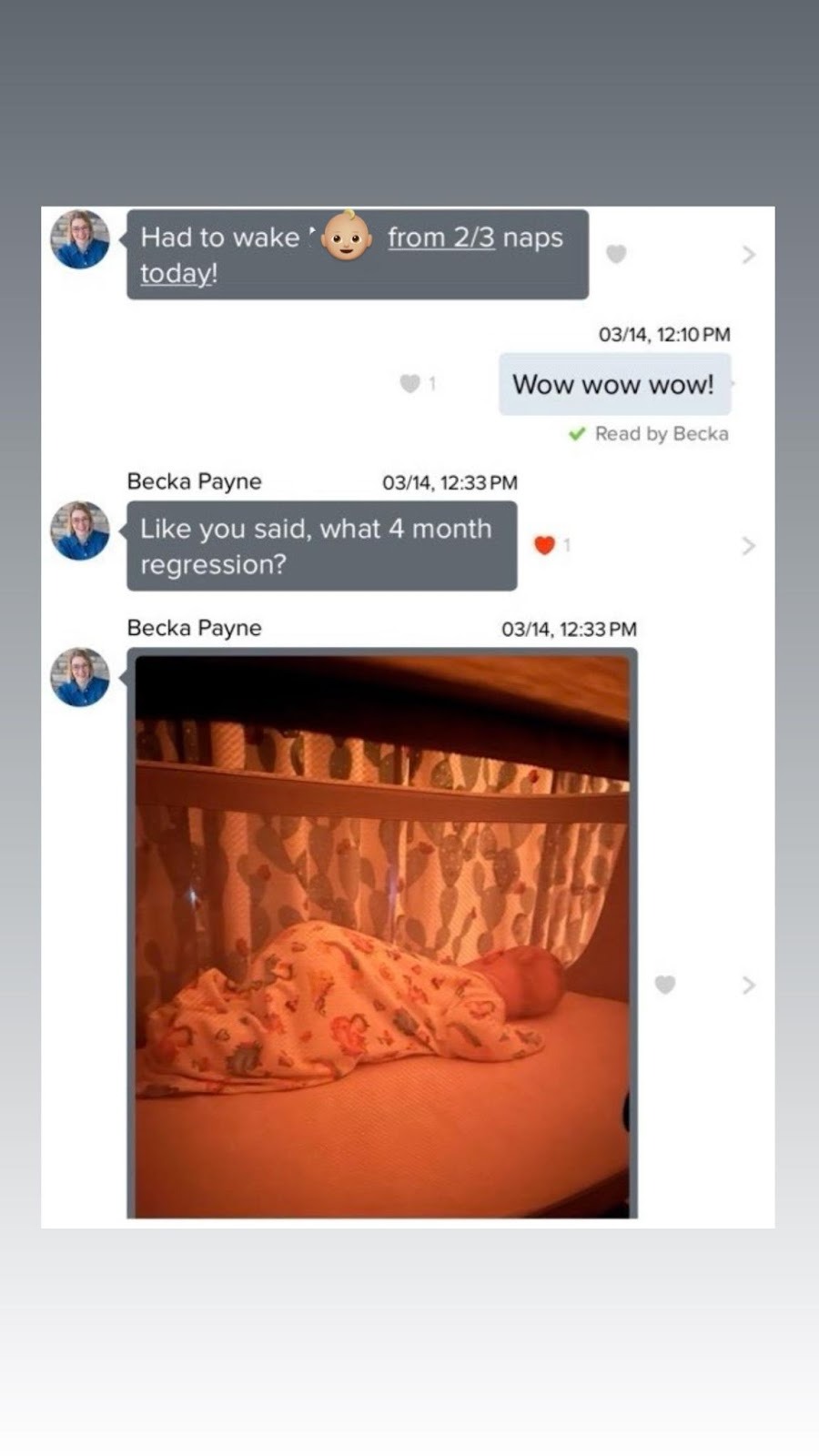
If you’re a parent, you’ve likely found yourself searching the internet for answers at 2 a.m. on topics like “8-month sleep regression,” “12-month sleep regression,” or even “3-year-old sleep regression.” The term “sleep regression” is everywhere in the parenting world, and it can feel like there’s a new one lurking around every corner. But here’s the truth: there’s only one true, biologically driven sleep regression — and it happens around the 4-month mark.
So how do you deal with these so-called sleep regressions? Let’s break it all down and give you the tools to navigate challenging sleep periods with confidence.
What Is the 4-Month Sleep Regression?
The 4-month sleep regression is the only biological sleep regression your baby will go through. It occurs because, at around 4 months old, your baby’s sleep patterns mature and shift to more adult-like stages of sleep. Before this point, newborns spend much of their sleep in deep sleep, which is why they can often sleep through noise or interruptions.
After this shift, your baby will cycle through light and deep sleep stages just like adults do. However, they don’t yet know how to navigate waking up between sleep cycles, which is why they may start waking more often or have trouble falling back asleep.
This sleep regression can feel challenging, but it’s a sign that your baby’s brain is developing! The best way to handle it is to help your baby learn independent sleep skills so they can move through sleep cycles without needing external help.
Are There Really Other Sleep Regressions?
Nope! After the 4-month sleep regression, there are no biologically driven sleep regressions. What many people refer to as “regressions” at various ages (such as 8 months, 12 months, or 2 years) are actually just temporary disruptions caused by developmental milestones or life changes like:
- Teething or illness: Pain or discomfort can temporarily disrupt sleep.
- Learning new skills: Milestones like crawling, standing, or walking may lead to more nighttime wake-ups as your baby practices or adjusts to their new abilities.
- Separation anxiety: Around 9 months, babies may experience separation anxiety, which can impact sleep as they become more aware of their surroundings and caregivers leaving the room.
- Travel or routine changes: Changes in environment or routine (like travel or starting daycare) can also throw off sleep temporarily.
These disruptions are normal, but they’re not biological sleep regressions. The good news? Once your baby has mastered the skill of sleep, these disruptions are much easier to manage.
How to Handle Temporary Sleep Disruptions
If your baby’s sleep has suddenly changed and you suspect it’s due to illness, teething, or a developmental milestone, here are some strategies to help you navigate it:
1. Stick to Your Routine
Babies thrive on predictability. If possible, stick to your baby’s usual bedtime and naptime routines to signal that sleep is coming. A calming, consistent routine helps their body and mind prepare for rest, even during challenging periods.
2. Offer Comfort, But Don’t Overdo It
If your baby is struggling to settle due to separation anxiety, teething, or a developmental leap, it’s okay to offer comfort. Gentle reassurance like placing a hand on their chest, soothing words, or a brief cuddle can help. However, avoid creating new sleep associations that may lead to longer-term difficulties.
3. Ensure Their Sleep Environment Is Ideal
Make sure your baby’s sleep environment is dark, quiet, and at a comfortable temperature. Consider using white noise to drown out any background sounds.
4. Stay Patient
Temporary sleep disruptions are just that — temporary. Stay calm, consistent, and supportive, and your baby will likely settle back into their regular sleep patterns soon.
The Secret to Long-Term Sleep Success
Once your baby learns independent sleep skills, these temporary sleep disruptions will be easier to manage. When your baby knows how to fall asleep and stay asleep without external help (like rocking or feeding to sleep), they’re better equipped to handle developmental leaps, teething, or other challenges without major sleep regressions.
While no baby will ever sleep perfectly every night (just like adults don’t!), mastering the skill of sleep eliminates the need to fear sleep regressions at every age.
Need Help Navigating Sleep Challenges?
If your baby is struggling with sleep, it doesn’t mean you’ve done anything wrong. Sleep challenges are common, and every baby is different. But if you’re feeling stuck or overwhelmed, you don’t have to go it alone.
At Sleeper Teachers®, we help families create customized sleep plans tailored to their baby’s unique needs and temperament. Whether you’re dealing with the 4-month regression or a tough sleep period at any age, we’re here to guide you with gentle, effective strategies.
Ready to Reclaim Rest?
Book your free intro call today to learn how we can help your baby (and you!) get better sleep — without the stress. 💛